

Quilt block patterns built on simple geometry often deliver the strongest visual impact. Among these designs, the Navy Squares quilt block pattern stands out for its clean lines, balanced structure, and timeless appeal. Moreover, this block offers excellent versatility, making it suitable for both modern and traditional quilt projects.
In this guide, you will learn how to make a Navy Squares quilt block pattern from start to finish. Each section progresses logically, ensuring clarity, originality, and a smooth learning experience while maintaining full creative integrity.

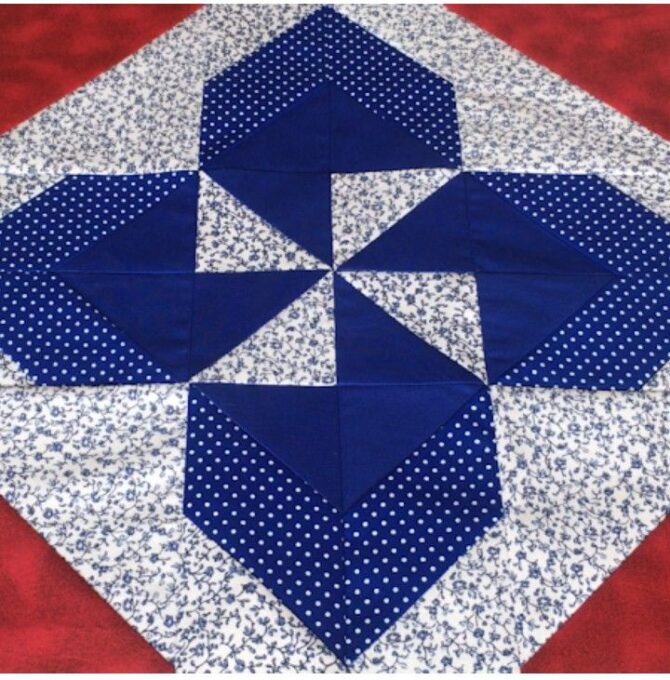
What Is the Navy Squares Quilt Block Pattern?
To begin with, the Navy Squares quilt block pattern relies on a grid-based layout composed of evenly sized squares. Rather than complex angles or curves, this pattern emphasizes contrast, alignment, and repetition. As a result, the finished block feels structured, calm, and visually grounded.
Additionally, the Navy Squares design allows subtle variation through color placement. Therefore, quilters can adjust tone and balance while preserving the block’s core identity.
Materials and Tools You Will Need
Before starting, gathering the correct tools ensures consistency and precision throughout the process.
You will need:
- Quilting cotton in navy and coordinating shades
- Rotary cutter and self-healing cutting mat
- Acrylic quilting ruler
- Sewing machine with a quarter-inch foot
- Matching thread
- Iron and pressing surface
Choosing high-quality cotton is essential. Consequently, seams press flat, and blocks maintain sharp edges. For general quilting preparation tips, many quilters reference resources such as “decoratindreams.com/quilting-basics” for foundational guidance.
Fabric Selection and Color Contrast
Color choice defines the character of the Navy Squares quilt block. Typically, the pattern benefits from:
- One deep navy fabric as the anchor color
- One lighter contrasting fabric
- One neutral background option
Maintaining strong contrast ensures that each square remains clearly defined. Furthermore, limiting the palette enhances cohesion and visual rhythm across multiple blocks.
Before cutting, arranging fabric swatches side by side helps confirm balance and harmony.
Cutting the Fabric Precisely
Once fabrics are selected, accurate cutting becomes the foundation of the block. Therefore, measure carefully and square fabric edges before cutting individual pieces.
Most Navy Squares blocks rely exclusively on squares. To maintain precision:
- Cut all squares in batches
- Keep measurements consistent
- Label stacks if using multiple shades
Because the pattern depends on alignment, even small inaccuracies can affect the final appearance.
Assembling the Navy Squares Quilt Block
After cutting, begin assembly by arranging the squares into the desired grid layout. At this stage, double-check placement before sewing.
Next, sew squares together row by row, pressing seams consistently after each row. Then, join the rows to complete the block. Pinning intersections lightly helps maintain alignment without slowing progress.
Once assembled, square the block to its final size. Although often overlooked, this step ensures uniformity when joining multiple blocks.
Layout Ideas for Navy Squares Quilts
When using multiple blocks, layout decisions greatly influence the quilt’s overall look. For example:
- Alternating navy-heavy blocks adds visual movement
- Rotating block orientation creates subtle variation
- Consistent layouts produce a clean, modern effect
Testing arrangements on a design wall or flat surface allows adjustments before final assembly.
Quilting and Stitching Suggestions
After completing the quilt top, layer it with batting and backing fabric. Quilting choices should complement the block’s geometry.
Effective options include:
- Straight-line quilting to emphasize the grid
- Crosshatch patterns for added texture
- Minimalist stitching for a modern finish
Many quilters consult educational references like “quiltersguild.org/learn-to-quilt” when planning stitch spacing and density.
Binding and Finishing Details
Once quilting is complete, trim excess fabric evenly. Attach binding using a consistent seam allowance, then finish by hand or machine depending on preference.
A final press improves appearance and ensures the quilt lies flat. These finishing touches enhance both durability and visual polish.
Common Mistakes to Avoid
Although straightforward, a few issues can affect the Navy Squares quilt block:
- Low contrast between fabrics
- Inconsistent seam allowances
- Skipping block squaring
By addressing these early, the quilting process remains smooth and predictable.
Why the Navy Squares Pattern Works So Well
The enduring appeal of the Navy Squares quilt block pattern lies in its simplicity. It offers a calm, structured aesthetic while allowing creativity through color and layout. Moreover, it serves as an excellent skill-building block for quilters at any level.
Final Thoughts
In conclusion, learning how to make a Navy Squares quilt block pattern provides a rewarding opportunity to explore balance, precision, and design clarity. With careful preparation and thoughtful assembly, this pattern delivers a quilt that feels timeless, versatile, and visually strong.