
Nesting fabric trinket dishes are one of those sewing projects that feel instantly useful the moment you finish them. They’re small, stylish, and surprisingly versatile. You can use them to hold jewelry, hair ties, coins, keys, craft clips, earbuds, or even tiny sewing notions. And because they’re made from fabric, they bring a warm, handmade touch to a space in a way that plastic or ceramic organizers often don’t.
In the United States, searches for “fabric bowl pattern,” “DIY trinket dish,” and “small sewing projects to sell” have been consistently strong, especially among crafters who love quick wins and practical handmade items. Nesting fabric trinket dishes fit perfectly into that trend because they’re fast to sew, beginner-friendly, and gift-worthy.
Even better, this project is a true scrap-buster. You can make a full set using leftover quilting cotton, linen, canvas, or even denim. With a few small changes, you can make them modern, farmhouse, boho, minimalist, or colorful—whatever matches your home or brand.
This nesting fabric trinket dish pattern is designed to be simple, clean, and adaptable, while still producing a finished result that looks polished and professional.
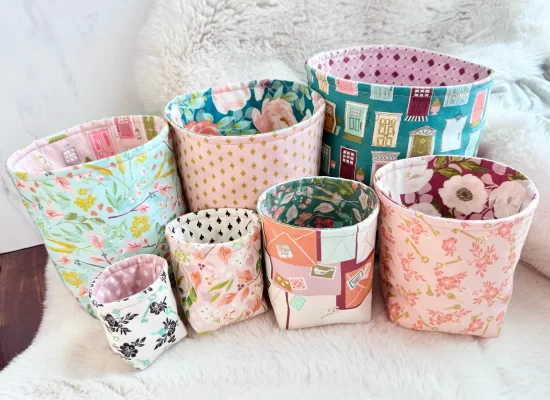
Why Nesting Trinket Dishes Are Trending Right Now
Handmade home organization is having a major moment in the US. People want their homes to feel calm and intentional, but they also want storage solutions that look good. That’s exactly why fabric trinket dishes are trending.
Instead of hiding clutter in a drawer, these small dishes create a designated place for the tiny items that tend to get lost. Additionally, the nesting feature makes them even more appealing because you can stack them neatly when not in use.
They are also popular because they work for many lifestyles:
- Busy households that need quick drop-zones
- Crafters who want small storage for notions
- Minimalist décor lovers who prefer soft neutrals
- Handmade gift shoppers who want something unique
- Sellers who need small, high-margin products
As a result, fabric trinket dishes are now commonly seen in craft fairs, Etsy shops, and Pinterest collections.
Best Fabrics for Fabric Trinket Dishes
Choosing the right fabric is the key to making trinket dishes that hold their shape well.
Quilting Cotton (Most Popular)
Quilting cotton is widely available in the US and easy to sew. It works beautifully when paired with interfacing and gives the trinket dish a clean, crisp look.
Canvas or Duck Cloth (Extra Structure)
If you want a sturdier dish, cotton canvas or duck cloth is an excellent option. These fabrics create a more structured dish even before interfacing is added.
Linen (Modern and Neutral)
Linen is perfect for modern home décor. It creates a soft, elevated look and is especially popular in farmhouse and Scandinavian-inspired homes.
Denim (Great for Scrap Projects)
Denim makes trinket dishes feel durable and casual. It’s also a great way to reuse old jeans.
What You Need to Make Nesting Fabric Trinket Dishes
One reason this pattern is so beginner-friendly is that it uses simple supplies. Most sewists already have everything they need.
Materials
- Outer fabric (cotton, canvas, linen, etc.)
- Lining fabric (cotton works best)
- Interfacing (medium to heavy weight)
- Coordinating thread
- Optional: batting for extra softness
Tools
- Sewing machine
- Scissors or rotary cutter
- Fabric clips or pins
- Iron and ironing board
- Ruler or measuring tape
- Fabric marker
How Nesting Dishes Work (And Why It Matters)
A nesting set usually includes 2–4 dishes in slightly different sizes. This design is popular because it feels like a complete “collection” instead of a single item.
Additionally, nesting sets are perfect for:
- Gift bundles
- Craft fair displays
- Bathroom organization
- Bedroom nightstands
- Desk accessories
From a practical point of view, nesting dishes also help you avoid sewing multiple unrelated items. Instead, you can batch cut the fabric and sew all the dishes in one session.
Step-by-Step Sewing Overview
While every pattern has its own details, most fabric trinket dish patterns follow a similar process. Understanding the general steps helps you feel confident before you start.
Step 1: Cut the Pieces
Each dish typically needs:
- 1 outer fabric piece
- 1 lining piece
- 1 interfacing piece
If the dish is shaped like a circle, you will cut circles. If it is a square dish, you will cut squares. Many patterns use squares because they are easy to measure and allow crisp corners.
Step 2: Apply Interfacing
Interfacing gives the dish structure. Without it, the dish will be too floppy to hold items well.
Press the interfacing to the wrong side of the outer fabric. Use a hot iron and follow the interfacing instructions carefully so it bonds properly.
Step 3: Sew Outer and Lining Together
Place the outer and lining fabrics right sides together. Stitch around the edge, leaving a small opening for turning.
Then, clip curves or trim corners depending on the shape.
Step 4: Turn and Press
Turn the dish right side out and press carefully. This step is where the dish starts to look clean and professional.
Step 5: Shape the Dish
Most trinket dishes are shaped by sewing corners or folding edges. For example:
- Square dishes are often shaped by pinching corners and sewing across them.
- Round dishes may use small darts or gathering.
Once shaped, the dish can sit upright and hold small items.
Tips for Making Trinket Dishes Look Professional
Even though this is a small project, the finishing details matter.
Use Matching Thread
Matching thread gives a clean look, especially for minimalist designs. On the other hand, contrasting thread can look modern if done intentionally.
Press at Every Step
Pressing is one of the biggest differences between a homemade-looking item and a polished handmade product.
Keep Stitching Straight
Because these dishes are small, even slightly uneven stitching stands out. Go slowly, especially when topstitching.
Choose Fabric Combinations Carefully
A strong outer fabric paired with a calm lining fabric usually looks best. Florals, gingham, and neutrals are especially popular in US home décor.
Practical Ways to Use Fabric Trinket Dishes at Home
One reason these dishes perform so well in search is that people are always looking for small organization solutions.
Here are some of the most common uses:
Bedroom and Nightstand
- Rings and earrings
- Hair clips and scrunchies
- Lip balm and small accessories
Bathroom Counter
- Bobby pins
- Makeup sponges
- Small skincare tools
Entryway Drop Zone
- Keys
- Coins
- Earbuds
- Mini hand sanitizer
Sewing Room
- Clips and pins
- Buttons
- Stitch markers
- Yarn needles
Why This Pattern Is Great for Selling
In the US handmade market, small useful items are some of the best sellers. They’re affordable for customers, fast to make for sellers, and easy to display.
Nesting trinket dishes work especially well because:
- They look like a “set,” which increases perceived value
- They are lightweight and easy to ship
- They can be made from scraps (higher profit margin)
- They appeal to both gift buyers and home décor shoppers
If you sell handmade items, these dishes are also a great way to create seasonal collections. For example, you can use spring florals, fall plaids, or Christmas prints without changing the pattern.
Styling Ideas for Modern US Home Décor
Fabric trinket dishes fit into many trending US décor styles, including:
- Farmhouse neutrals
- Cottagecore
- Scandinavian minimalism
- Modern boho
- Coastal casual
If you want the dishes to look more “designer,” choose neutral linen, simple stripes, or muted florals. Then, keep the stitching clean and minimal.
For more handmade organization and décor ideas, you may also like the bunny pattern guide at https://www.decoratindreams.com/easy-crochet-bunny-pattern/. For additional beginner-friendly sewing inspiration, you can browse https://www.diynetwork.com.
Conclusion
Nesting fabric trinket dishes are a practical, stylish sewing project that fits perfectly into modern home organization trends in the United States. They’re beginner-friendly, quick to make, and easy to customize. Most importantly, they solve a real everyday problem: where to put all the little items that otherwise create clutter.
Whether you sew them for your home, give them as gifts, or sell them as a handmade product, this pattern is a satisfying project with a big payoff. And because they nest neatly together, they look just as good on display as they do in use.