
Choosing the right yarn can completely change your amigurumi experience. Many beginners believe that the pattern is the most important part of the project, but the yarn you use has a major impact on the final result.
The wrong yarn can make your stitches difficult to see, create unwanted gaps, make stuffing visible, or cause your finished character to lose its shape over time. On the other hand, the right yarn makes crocheting smoother, helps your stitches look cleaner, and gives your amigurumi a professional finish.
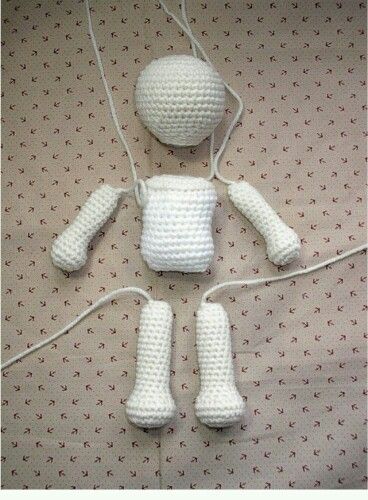
Understanding the best yarn for amigurumi that holds its shape helps beginners and experienced crocheters make better choices before starting their next project.
This guide explains the most suitable yarn fibers, what characteristics to look for, common mistakes to avoid, and how to choose yarn based on the type of amigurumi you want to create.
Why yarn choice matters in amigurumi
Amigurumi is different from many other crochet projects because the finished piece needs structure.
A blanket can be soft and flexible.
A scarf can have loose stitches.
An amigurumi character needs to maintain a specific shape.
The yarn affects:
- stitch definition;
- firmness;
- durability;
- stuffing visibility;
- ability to hold details;
- overall appearance.
A cute animal with rounded features depends on the yarn creating a stable fabric that supports the stuffing inside.
What makes a good amigurumi yarn?
Before choosing a yarn color, consider these important characteristics.
Good stitch definition
The yarn should allow you to clearly see each stitch.
This is especially important because amigurumi requires:
- increases;
- decreases;
- counting rounds;
- precise shaping.
Smooth yarn makes mistakes easier to identify and correct.
Strong structure
The yarn should have enough strength to maintain the shape of the finished piece.
A yarn that stretches too much can create a floppy amigurumi.
Minimal fuzziness
Fuzzy yarn may look soft, but it can hide stitches and make counting difficult.
For beginners, smooth fibers are usually the best choice.
Appropriate thickness
The yarn thickness affects:
- project size;
- stitch visibility;
- difficulty level.
Medium-weight yarn is often the easiest starting point.
Cotton yarn: the favorite choice for many amigurumi makers
Cotton is one of the most popular fibers for amigurumi.
It has several advantages:
- excellent stitch definition;
- strong structure;
- low stretching;
- clean appearance;
- durable results.
Because cotton creates firm stitches, it is especially good for small animals, dolls, and detailed designs.
Many beginners who struggle with uneven stitches find cotton easier because every stitch is visible.
Cotton blend yarn: a practical alternative
Cotton blends combine cotton with other fibers, often creating a balance between structure and softness.
Benefits include:
- easier handling;
- comfortable texture;
- good durability;
- slightly softer finished projects.
A cotton-acrylic blend can be a great option for beginners who want structure without the firmness of pure cotton.
Acrylic yarn: affordable and beginner-friendly
Acrylic is another common choice for amigurumi.
Advantages:
- affordable price;
- large color variety;
- easy availability;
- machine washable options.
However, acrylic behaves differently from cotton.
Some acrylic yarns are:
- softer;
- more flexible;
- slightly stretchier.
This means you may need to adjust your hook size to create tighter stitches.
Acrylic works well for larger amigurumi, beginner practice projects, and colorful characters.
Chenille yarn: beautiful but challenging
Chenille yarn has become very popular because it creates soft, plush-looking amigurumi.
It is often used for:
- teddy bears;
- plush animals;
- baby-friendly designs.
However, it is not always ideal for beginners.
Challenges include:
- difficulty seeing stitches;
- harder counting;
- possible yarn shedding;
- difficulty fixing mistakes.
If you love the plush look, it is usually better to gain confidence with smooth yarn first.
Comparing popular yarn choices for amigurumi
| Yarn Type | Advantages | Challenges | Best For |
|---|---|---|---|
| Cotton | Excellent stitch definition, holds shape well | Less stretchy | Detailed amigurumi |
| Cotton blend | Balanced softness and structure | Slightly different tension | Everyday projects |
| Acrylic | Affordable and colorful | Can stretch more | Beginners and practice |
| Chenille | Soft plush appearance | Harder to see stitches | Experienced makers |
The importance of yarn weight
The yarn weight changes the size and appearance of your amigurumi.
Common options include:
| Yarn Weight | Characteristics |
|---|---|
| Fingering | Small detailed projects |
| DK | Lightweight and versatile |
| Worsted | Beginner-friendly and easy to handle |
| Bulky | Large plush-style amigurumi |
For many beginners, DK and worsted yarn are comfortable choices because the stitches are easier to see.
Choosing yarn based on your project type
Different amigurumi styles benefit from different yarn choices.
Small detailed characters
Choose:
- cotton;
- DK weight;
- smooth fibers.
These allow precise shaping.
Large plush animals
Choose:
- chenille;
- bulky acrylic;
- soft blends.
These create a cuddly appearance.
Beginner practice projects
Choose:
- cotton blends;
- worsted acrylic;
- light-colored yarn.
The goal is visibility and easy handling.
Common yarn mistakes beginners make
Choosing dark yarn
Black, navy, and very dark colors can make stitches almost impossible to see.
For your first projects, lighter colors are much easier.
Using fuzzy yarn too early
Fuzzy textures hide mistakes.
Beginners often become frustrated because they cannot identify where to insert the hook.
Ignoring yarn tension
The same yarn can produce different results depending on how tightly you crochet.
Always make a small test piece if you are unsure.
Buying yarn only because of color
A beautiful color does not always mean the yarn is suitable.
The texture and structure matter more.
How hook size affects yarn performance
The yarn and hook work together.
Even the best yarn for amigurumi can create problems if the hook size is incorrect.
A hook that is too large can cause:
- loose stitches;
- visible stuffing;
- weak structure.
A hook that is too small can create:
- difficult stitches;
- uncomfortable tension;
- very stiff fabric.
Many crocheters prefer a hook slightly smaller than recommended for the yarn because amigurumi requires tighter stitches.
How to make your amigurumi hold its shape longer
The yarn choice is important, but several other factors matter too.
Use proper stuffing technique
Even the best yarn will not maintain shape if the stuffing is uneven.
Add stuffing gradually and distribute it with your fingers.
Maintain consistent tension
Uneven stitches create uneven shapes.
Practice creates better results.
Store finished pieces correctly
Avoid crushing handmade amigurumi under heavy objects.
Keeping them upright helps preserve their structure.
Beginner-friendly yarn selection checklist
Before buying yarn, ask:
✅ Can I clearly see the stitches?
✅ Does the yarn have good structure?
✅ Is it comfortable to crochet with?
✅ Does it match my skill level?
✅ Will it support the shape I want?
These simple questions prevent many beginner mistakes.
Reliable crochet terminology and skill references
Understanding yarn labels, fiber information, and crochet terminology helps you make better material decisions.
The Craft Yarn Council provides educational resources about yarn standards, fiber information, and crochet terminology that can help crocheters better understand materials and techniques:
Having a stronger understanding of yarn characteristics makes it easier to choose materials for different types of crochet projects.
Final thoughts
Finding the best yarn for amigurumi that holds its shape is one of the most important steps toward creating successful handmade characters.
For most beginners, smooth cotton, cotton blends, and easy-to-see acrylic yarns are excellent choices because they make learning easier and produce reliable results.
The perfect yarn is not always the softest or most expensive option.
It is the yarn that allows you to control your stitches, enjoy the process, and create a finished piece you are proud of.
With the right material and a little practice, your amigurumi projects will become cleaner, stronger, and more enjoyable with every creation.
Frequently Asked Questions
What is the best yarn for beginner amigurumi?
Smooth cotton or cotton-blend yarn is often recommended because it makes stitches easy to see and helps maintain shape.
Is acrylic yarn good for amigurumi?
Yes. Acrylic is affordable, widely available, and works well for many beginner and colorful amigurumi projects.
Why does my amigurumi lose its shape?
Common reasons include loose tension, incorrect stuffing, oversized hooks, or yarn with too much stretch.
Is chenille yarn good for amigurumi?
Chenille creates a plush appearance, but it can be harder for beginners because stitches are more difficult to see.
What yarn weight is easiest for amigurumi?
DK and worsted-weight yarns are often beginner-friendly because they provide good stitch visibility and control.