
Getting out of credit card debt can feel overwhelming, especially when interest keeps growing faster than you can pay it down. However, the good news is that it is absolutely possible to become debt-free without destroying your credit score. The key is understanding how credit works and using strategies that reduce debt while protecting your credit history at the same time.
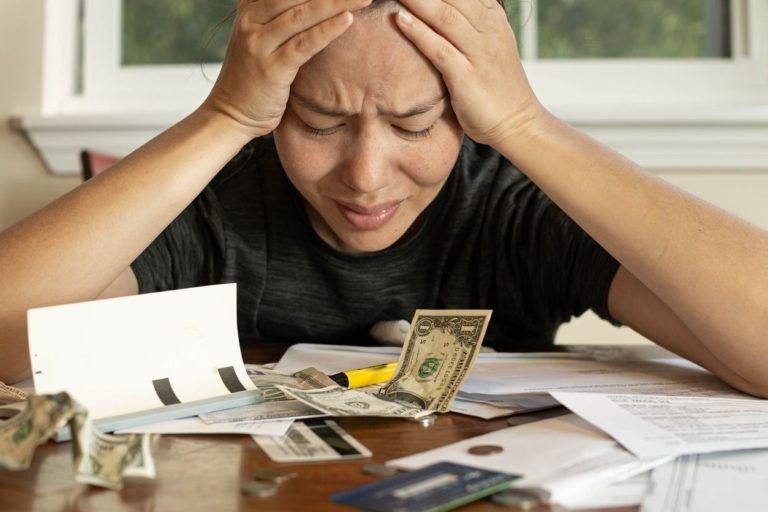
Many people assume they must choose between paying off debt quickly or protecting their credit score. In reality, with the right approach, you can do both.
Understanding How Credit Card Debt Really Works
Credit card debt grows mainly because of compound interest. Unlike a fixed loan, credit cards charge interest daily or monthly based on your remaining balance. If you only make minimum payments, most of your money goes toward interest instead of reducing the actual debt.
Why balances grow so fast
Several factors contribute to the rapid growth of credit card debt:
- High interest rates compared to other loans
- Making only minimum payments
- Continuing to use the card while carrying a balance
- Late payment fees and penalties
- Interest compounding over time
Even a small balance can become a long-term problem if not managed properly.
If you want to better understand how people build a structured plan to regain control of their finances step by step, you can explore the concept of Financial Freedom Path, which explains how financial organization, debt reduction strategies, and long-term money habits connect in a realistic and sustainable way.
How Credit Card Debt Affects Your Credit Score
Your credit score is influenced by several key factors, and credit card debt plays a major role in most of them.
The most important factor is your credit utilization ratio, which measures how much of your available credit you are using.
Credit utilization explained
For example:
- Credit limit: $10,000
- Balance: $7,000
- Utilization: 70%
A utilization above 30% can negatively impact your score, while keeping it below 10% is ideal for strong credit health.
Main factors affecting your credit score
| Factor | Impact |
|---|---|
| Payment history | Very high |
| Credit utilization | Very high |
| Length of credit history | Medium |
| New credit inquiries | Medium |
| Credit mix | Low |
Even if you have debt, your score can remain stable if you manage payments and utilization correctly.
Smart Strategies to Get Out of Credit Card Debt
There is no single method that works for everyone, but there are proven strategies that help reduce debt efficiently while protecting your credit score.
The Avalanche Method (best for saving money)
This strategy focuses on paying off the card with the highest interest rate first while making minimum payments on all others.
Advantages:
- Saves the most money in interest
- Reduces total debt faster in the long term
- Highly efficient financially
Disadvantage:
- Progress may feel slow at the beginning
The Snowball Method (best for motivation)
With this method, you pay off the smallest debts first while maintaining minimum payments on larger ones.
Advantages:
- Quick psychological wins
- Builds motivation and momentum
- Easier to stay consistent
Disadvantage:
- May cost more in interest over time
Balance Transfer Strategy
This involves moving your debt to a credit card with a lower or 0% introductory interest rate.
Advantages:
- Reduces or eliminates interest temporarily
- Helps accelerate debt repayment
Disadvantages:
- Requires good credit score approval
- May include transfer fees
- Promotional rates eventually expire
Debt Consolidation Loans
A personal loan can combine multiple credit card debts into a single fixed payment with lower interest.
Advantages:
- Simplifies payments
- Lower interest rates in many cases
- Fixed repayment schedule
Disadvantages:
- Requires credit approval
- Poor planning can lead to more debt
How to Pay Off Debt Without Damaging Your Credit Score
Paying off debt the wrong way can temporarily lower your credit score, but the right strategy helps protect it.
Keep your accounts open
Closing credit cards reduces your total available credit, which increases your utilization ratio. Even if you stop using a card, keeping it open can help your score.
Avoid maxing out your cards again
Even while paying off debt, avoid using credit excessively. High utilization is one of the fastest ways to damage your score.
Always pay on time
Payment history is the most important factor in your credit score. Even one late payment can have a negative impact.
Reduce utilization gradually
Instead of paying everything at once and closing accounts, aim to slowly reduce your balances across all cards.
Common Mistakes People Make When Trying to Escape Debt
Many people unintentionally make their situation worse while trying to fix it.
Here are some common mistakes:
- Closing credit cards immediately after paying them off
- Ignoring interest rates and focusing only on balance
- Taking new loans without a repayment plan
- Continuing to use credit cards while in debt
- Missing payments due to poor budgeting
Avoiding these mistakes is just as important as choosing the right repayment strategy.
Simple Step-by-Step Plan to Get Out of Debt
Here is a practical roadmap you can follow:
- List all your credit card debts and interest rates
- Choose a repayment strategy (avalanche or snowball)
- Create a monthly budget and cut unnecessary expenses
- Set automatic payments to avoid late fees
- Focus on reducing credit utilization below 30%
- Track progress every month
- Avoid new debt until all balances are cleared
Consistency is more important than speed.
Why Credit Health Matters Even While in Debt
Many people focus only on becoming debt-free, but maintaining credit health is equally important. A strong credit score helps you:
- Get lower interest rates on loans
- Qualify for better credit cards
- Rent apartments more easily
- Access emergency financial support
That’s why it’s important to reduce debt strategically instead of rushing and damaging your credit profile.
Frequently Asked Questions (FAQ)
Can I get out of credit card debt without hurting my credit score?
Yes. If you maintain payments, keep utilization low, and avoid late payments, your score can remain stable or even improve over time.
Is it better to pay off all credit cards at once?
Not always. Paying strategically while managing utilization is often better for credit health.
Does closing a credit card hurt your credit score?
Yes, it can increase your utilization ratio and reduce your credit history length.
What is the fastest way to reduce credit card debt?
The avalanche method combined with strict budgeting is usually the fastest financially.
Should I stop using credit cards completely?
You don’t need to stop completely, but you should avoid carrying balances and keep usage low.
Find out everything—and much more—about financial management.
Trusted financial resource:
For official guidance on credit cards, debt management, and consumer financial protection, visit the
Final Thoughts
Getting out of credit card debt is not just about paying money back. It is about building a sustainable financial system that prevents you from falling into the same cycle again.
With discipline, the right repayment method, and proper credit management, it is possible to eliminate debt while keeping your credit score healthy and even improving it over time.