

Reading crochet patterns is a skill every crocheter needs, whether a beginner or advanced. Understanding crochet abbreviations, symbols, and instructions allows you to tackle any project with confidence. From simple scarves to modern home accessories, mastering pattern reading ensures your creations look polished and professional. This guide covers techniques to read crochet patterns like a pro, with insights drawn from practical examples, beginner-friendly resources like https://decoratindreams.com/easy-crochet-hat-pattern-for-beginners, and trusted tutorials from AllFreeCrochet.
1. Understanding Crochet Abbreviations -pattern

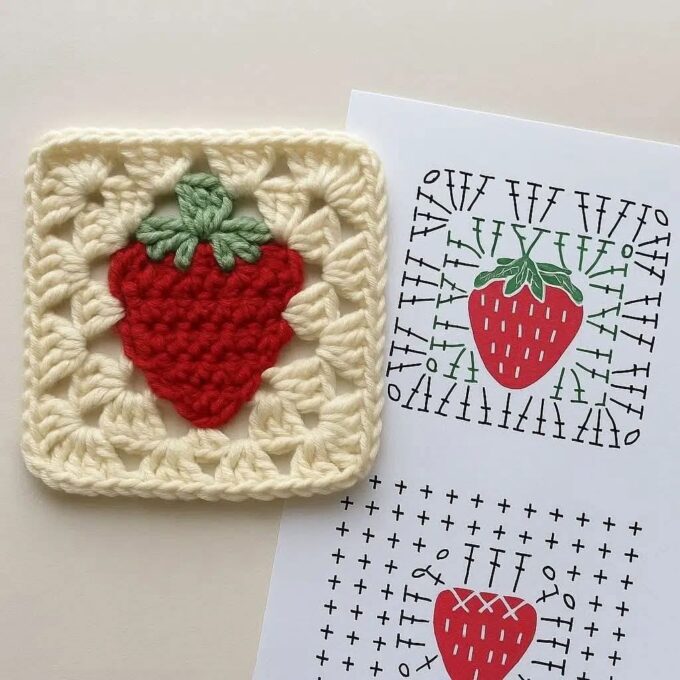
Crochet patterns are full of abbreviations that indicate stitches, techniques, and repetitions. Common ones include:
- ch: chain
- sc: single crochet
- dc: double crochet
- sl st: slip stitch
Beginner-friendly patterns often include a legend at the beginning. Familiarity with these abbreviations allows you to read any pattern fluently, saving time and avoiding errors.
2. Reading Written vs. Diagram Patterns -pattern
Crochet patterns come in two formats: written instructions and diagrams.
- Written instructions: Step-by-step, line by line, detailing the number of stitches and sequence.
- Diagrams or charts: Visual symbols representing stitches and layout.
Using both together strengthens understanding. Even beginners can grasp complex patterns by combining diagram reading with written instructions.
3. Identifying Repeats and Rows -pattern
Patterns often include repeated sections, indicated by:
- Parentheses ( ) or asterisks * for repeating stitches
- Row or round numbers to guide progression
Recognizing these elements ensures you maintain correct stitch counts and structure, avoiding mistakes that could distort your project.
4. Understanding Gauge and Tension -pattern
Gauge is critical for ensuring your final piece matches the intended size.
- Patterns provide a recommended stitch gauge (e.g., 16 sc x 16 rows = 4 inches).
- Use a swatch to test your gauge before starting.
This is especially important for projects like blankets, hats, or garments, where size precision matters.
5. Following Complex Stitches and Combinations -pattern
Many patterns combine basic stitches into textured or decorative designs, such as:
- Shell stitches
- Bobbles or popcorn
- V-stitches
Start by practicing these on small swatches. Combining techniques gradually allows beginners to master intricate patterns while reinforcing fundamentals. Examples and step illustrations are available on AllFreeCrochet.
6. Tips for Avoiding Common Mistakes -pattern
Common beginner mistakes when reading patterns include:
- Skipping abbreviations or symbols
- Miscounting stitches
- Ignoring gauge
- Misunderstanding repeats
Using resources like https://decoratindreams.com/easy-crochet-hat-pattern-for-beginners helps reinforce proper pattern reading. Marking your place with a sticky note or row counter also keeps your progress organized.
7. Practicing with Real Projects -pattern
The best way to read patterns like a pro is practice. Start with beginner-friendly projects such as:
- Scarves
- Hats
- Small blankets
Gradually progress to more complex home accessories. Integrating simple projects with detailed patterns ensures learning is hands-on and effective.
Conclusion
Mastering how to read crochet patterns empowers you to create any project with confidence, from basic scarves to modern home accessories. By understanding abbreviations, diagrams, repeats, gauge, and stitch combinations, beginners can tackle patterns successfully. Using resources like https://decoratindreams.com/easy-crochet-hat-pattern-for-beginners and trusted tutorials from AllFreeCrochet accelerates skill-building and ensures your crochet creations are accurate, neat, and stylish.