

Some blankets take months. This one doesn’t. By switching to super bulky yarn and a much larger hook, you can grow rows fast enough to finish a full-sized throw in just a few sittings.
Why This Pattern Works Up So Quickly
Speed here comes from two simple choices: thicker yarn and taller stitches. Super bulky yarn covers far more space per stitch than worsted weight does. Double crochet also builds height faster than single crochet, since each stitch is taller.
Put those two together, and a blanket that would normally take 175 rows can finish in under 60. Fewer rows means fewer stops, fewer turns, and a project that feels like it’s growing right in front of you.
Skill Level and Time Commitment
This pattern is rated easy, with one small step up from total beginner: double crochet instead of single crochet. If you’ve made even one small project before, this stitch usually takes just a few minutes to learn.

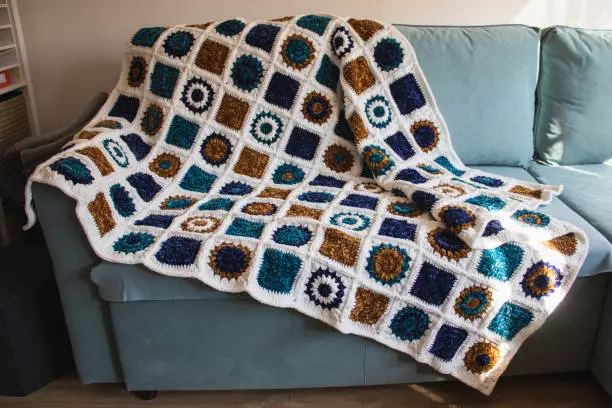
Most crocheters finish a throw-sized blanket in 4 to 6 hours of total working time. Many people complete it across a single weekend.
Materials You’ll Need
- About 1,200 to 1,400 yards of super bulky yarn (category 6)
- A size Q (15mm) crochet hook
- A yarn needle for weaving in ends
- Scissors
Super bulky yarn sits near the top of the Craft Yarn Council’s standard yarn weight system, which runs from size 0 up to size 7. That extra thickness is exactly what makes fast projects possible without sacrificing a cozy, finished look.
Gauge
Gauge runs approximately 6 double crochet stitches and 4 rows to 4 inches, using a size Q hook. Because the stitches are so large, small gauge differences barely affect the final size, which takes a lot of pressure off getting it exact.
Abbreviations Used in This Pattern
- ch — chain
- dc — double crochet
- st(s) — stitch(es)
Step-by-Step Instructions
Step 1: Make your foundation chain. Chain 62. This creates a blanket approximately 40 inches wide at this gauge.
Step 2: Work your first row. Double crochet in the fourth chain from your hook (the first three chains count as your first stitch). Double crochet in each chain across. Turn.
Step 3: Repeat this row. Chain 3 (this counts as your first stitch). Double crochet in each stitch across, skipping the first stitch since the turning chain already replaced it. Turn. Repeat until the blanket measures about 50 inches, or your desired length.
Step 4: Check your edges often. Because rows grow so fast, an early mistake repeats itself quickly too. Glance at your side edges every few rows to confirm they’re staying straight.
Finishing Your Blanket
Fasten off and weave in your tail with a yarn needle. For a simple, tidy edge, work one round of single crochet around all four sides, adding three stitches in each corner so it lies flat.
How This Compares to a Standard Blanket Pattern
If you’d rather build core stitch skills first, or you want a lighter, more drapey finished blanket, our easy crochet blanket pattern uses worsted weight yarn and single crochet instead. It takes longer to finish, but it’s a gentler yarn weight to hold for long stretches, and it produces a softer, more traditional throw.
Both patterns use the exact same basic shape: a chain, followed by repeated rows. The only real difference is yarn thickness and stitch height, which is exactly what shifts the project from a multi-week effort to a weekend one.
Choosing the Right Bulky Yarn
Not all super bulky yarns feel the same in the hand. Chenille-style yarns feel incredibly soft, but they can split while you work. Plied, rope-style yarns are easier for beginners to control, since the stitches stay more defined.
For a first fast blanket, a basic plied super bulky acrylic is usually the easiest choice. It holds its shape well, and it’s forgiving if your tension varies a little from row to row.
Common Mistakes With Bulky Yarn
The most frequent issue is gripping the hook too tightly, since bulky yarn naturally resists a little more than thinner yarn. Relax your grip, and let the larger hook do more of the work for you.
Another common mistake is losing track of the turning chain. With double crochet, that starting chain-3 always counts as a stitch, so skip the first actual stitch of the row to avoid quietly gaining width as you go.
Caring for a Bulky Yarn Blanket
Bulky blankets hold a lot of yarn, so they also hold a lot of water when washed. Use a large capacity washing machine, and always check the label before choosing a wash cycle. Air drying flat works best, since a dryer can take a long time to fully dry such a thick piece.
Frequently Asked Questions
Can I make this blanket even bigger?
Yes. Add chains in multiples of 1 to widen it, and simply work more rows to lengthen it. Just remember that super bulky yarn adds up in yardage fast, so buy extra for larger sizes.
Will a fast pattern like this look less polished?
Not at all. Chunky throws are a popular, intentional look, not a shortcut. Many home décor blankets use exactly this yarn weight on purpose, for texture and warmth.
Is bulky yarn harder on my hands than thinner yarn?
It can feel different, but not necessarily harder. Since bulky yarn grows a blanket so much faster, most people spend fewer total hours crocheting overall, even if each individual stitch takes a touch more effort to form.
Final Thoughts
A fast crochet blanket pattern doesn’t mean cutting corners on quality. It means choosing the right materials so your effort turns into visible progress fast. With bulky yarn, a big hook, and this simple repeat, a cozy throw is well within reach of a single weekend.
Once you’ve made one, you’ll likely reach for this same combination again. Bulky yarn and a big hook turn almost any simple stitch pattern into a quick, satisfying project.