

You found the perfect pattern. You’ve got your ruler, your rotary cutter, and a Saturday afternoon free. But then you walk into the fabric aisle — or scroll through an online shop — and freeze. Cotton, flannel, batik, quilting weight, apparel weight… suddenly the pattern feels like the easy part. Learning how to choose fabric for quilting is one of those skills nobody really teaches directly, yet it quietly determines whether your finished quilt looks polished or falls apart after three washes.

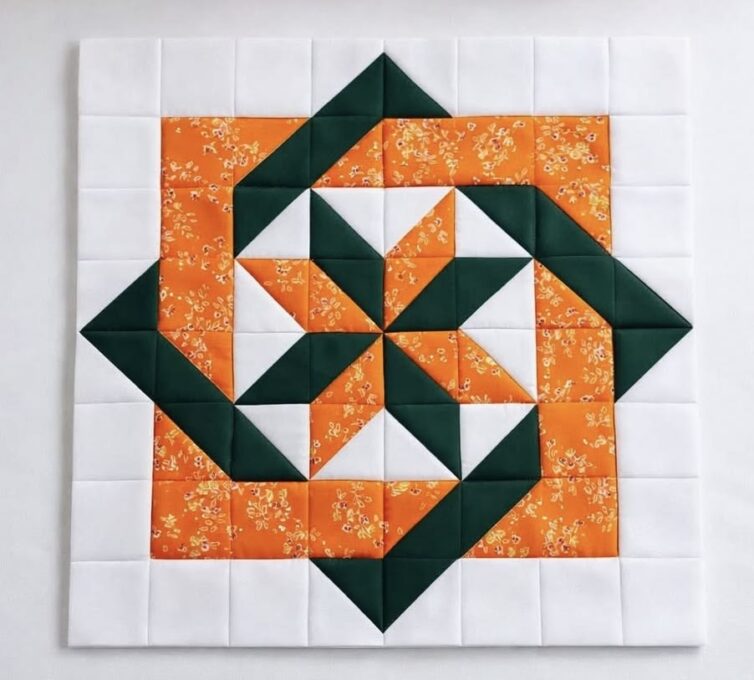
This guide walks through everything that actually matters when picking fabric for a quilt — not just color and print, but weight, fiber content, and how those choices interact with the specific pattern you’re sewing.
Why Fabric Choice Matters More Than People Think
New quilters often assume that as long as fabric “looks nice together,” the project will turn out fine. In reality, quilting fabric does a lot of invisible work. It determines how your seams press, how your finished blocks hang, how much the quilt shrinks after its first wash, and how long it lasts through years of use.
Choosing the wrong weight or fiber can cause puckering, stretched seams, or a quilt top that simply won’t lie flat no matter how carefully it was pieced. That’s why fabric selection deserves just as much attention as the pattern itself — arguably more, since a great pattern sewn in the wrong fabric will never reach its full potential.
Start With 100% Cotton (Especially If You’re New)
If you take away only one piece of advice from this article, let it be this: for your first several quilts, stick with 100% quilting cotton. It’s the industry standard for a reason. Cotton presses crisply, doesn’t stretch on the bias the way knits or blends do, and behaves predictably when you’re matching seams or squaring up blocks.
Quilting cottons are also woven at a fairly consistent, medium weight across most major manufacturers, which means fabrics from different collections can usually be combined in the same quilt without one piece feeling noticeably thinner or heavier than its neighbor. That consistency is exactly what beginners need while they’re still building confidence with piecing.
Understanding Thread Count and Fabric Quality
Not all quilting cotton is created equal, and this is where a lot of new quilters get confused by marketing language. A higher thread count isn’t automatically better for quilting — in fact, extremely high thread counts can make hand-quilting nearly impossible because the needle struggles to pass through the tightly woven fibers. A thread count in the mid-60s to low-70s range tends to be the sweet spot: dense enough to hold up over time, but still easy to needle by hand or machine.
A simple way to judge quality before you buy: hold the fabric up to the light. If you can see through it easily, it’s likely too thin and will wear out faster. Rub it gently against itself — if loose fibers flake off, that’s often a sign of heavy sizing added to disguise a lower-quality weave.
Matching Fabric Weight to Your Pattern
This is where fabric choice and pattern choice really intersect. A pattern with dozens of small pieces — like a traditional sampler quilt — benefits from a lightweight, tightly woven cotton that presses into crisp, accurate points. Bulkier or looser weaves make it much harder to match seams precisely when there are that many intersections.
On the other hand, big block or strip-style patterns can handle slightly heavier fabrics without much trouble, since there are fewer seams competing for the same space. If you’re working through one of our beginner-frie,ndly quilt patterns, most of them are forgiving enough to work well with any good-quality quilting cotton, which is part of why they’re such solid starting points.
If your project leans toward a modern design with lots of negative space, solid quilting cottons in a consistent weight will give those large open areas a smooth, uninterrupted look — texture or slub variations tend to distract from the clean lines that define that style.
Color, Value, and Print Scale
Once fiber and weight are sorted out, the fun part begins: actually choosing colors and prints. A few principles make this process far less overwhelming.
Value matters more than color. Value refers to how light or dark a fabric is. Quilts read as visually interesting when there’s contrast in value — light, medium, and dark — rather than just a mix of different hues that all sit at a similar brightness. Squint at your fabric pile; if everything blurs together, you likely need more value contrast.
Print scale should vary. Combining only large-scale prints, or only tiny calico-style prints, tends to flatten a design. Mixing scales — a large floral, a small geometric, and a solid — gives the eye places to rest and places to focus.
Solids are your best friend for balance. Especially in scrappier patterns, a few solid fabrics scattered throughout give busy prints room to breathe rather than competing with each other.
Pre-Washing: To Do or Not to Do
This is one of the most debated topics in quilting circles, and there’s no single right answer — only trade-offs. Pre-washing removes excess dye (important if you’re combining very dark and very light fabrics that might bleed) and pre-shrinks the fabric so your finished quilt doesn’t shrink unevenly later.
On the other hand, skipping the pre-wash preserves the sizing that makes fabric crisper and easier to cut accurately, and many quilters actually prefer the slightly puckered, “antique” texture that develops when an unwashed quilt is washed for the first time after it’s finished. If you’re using a lot of deep reds, or mixing very dark and very light fabrics in close proximity, pre-washing is worth the extra step to avoid dye transfer.
According to National Quilters Circle, buying good-quality fabric matters most for quilts that will see heavy, repeated use — while less expensive fabric can be a smart, practical choice for a beginner’s early learning projects where mistakes are part of the process.
Don’t Overlook Backing and Batting
Fabric choice doesn’t end with the quilt top. The backing fabric should be similar in weight and fiber content to your top fabric — pairing a lightweight quilting cotton top with a heavy canvas backing can cause the two layers to shift and pucker differently during quilting. Batting, meanwhile, affects drape and warmth: cotton batting gives a flatter, more traditional look, while polyester or wool batting adds extra loft and warmth.
Common Fabric Mistakes to Avoid
Even quilters with a few finished projects under their belt sometimes fall into the same fabric traps. Mixing fiber types — say, a quilting cotton paired with a polyester-blend novelty print — is one of the most common. The two fabrics behave differently under heat and tension, which can lead to puckering along the seam line that no amount of careful pressing will fully fix.
Another frequent misstep is buying fabric based purely on how it looks folded on a bolt or displayed on a screen. A print that looks bold and graphic in a small swatch can read completely differently once it’s cut into two-inch squares and repeated across dozens of blocks. Whenever possible, look at a larger cut of fabric, or at least a few swatches side by side, before committing to a full yardage purchase.
Finally, many beginners underestimate how much fabric they actually need and end up short partway through a project — only to discover the same dye lot is no longer available. Buying a little extra yardage, especially for background or backing fabric, is cheap insurance against having to redesign a nearly finished quilt top.
Final Thoughts
Choosing fabric isn’t just a creative decision — it’s a technical one that directly affects how well your pattern comes together and how long your finished quilt lasts. Stick with quality quilting cotton while you’re building skills, pay attention to how fabric weight matches your chosen pattern, and don’t be afraid to slow down in the cutting stage to run the hand-and-eye test before committing to a bolt. The right fabric won’t just make your quilt look better — it’ll make the entire sewing process noticeably smoother.