

Not every quilt project needs to start with a $12 pattern purchase. Some of the most beloved quilts in the community — the ones people actually finish, gift, and repeat — come from free quilt patterns shared generously by designers, fabric companies, and quilting hubs online. The catch isn’t finding them; it’s knowing which free patterns are actually worth your fabric and your time.

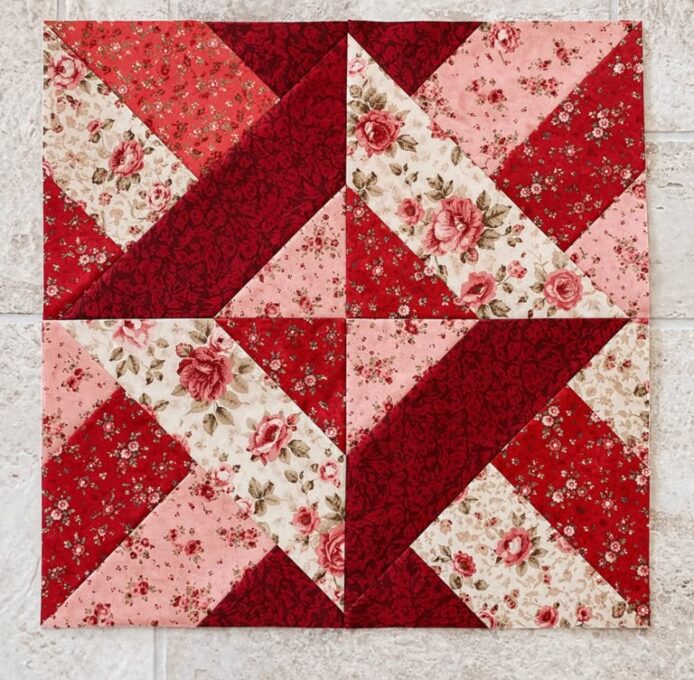
This list breaks down five types of free downloadable quilt patterns that consistently deliver great results, along with what makes each one worth adding to your project queue.
Why Free Patterns Deserve a Real Spot in Your Rotation
There’s sometimes an assumption that “free” means “lesser.” In quilting, that’s rarely true. Many fabric manufacturers release free patterns specifically designed to showcase a new collection, which means they’re often created by professional designers with the same level of care as a paid pattern. Free patterns are also frequently used as an entry point — a way to introduce a technique or precut format (charm packs, jelly rolls, layer cakes) before a quilter commits to buying a full pattern book.
That said, quality does vary, so it helps to know what to look for: clear cutting instructions, a finished-size diagram, and yardage requirements listed up front. A well-written free pattern will have all three.
1. Precut-Friendly Strip Quilts
Patterns built around jelly rolls (2.5-inch precut strips) are some of the most commonly offered free patterns, and for good reason — fabric companies love releasing them because they showcase an entire fabric collection in one project. These quilts typically come together fast, with minimal cutting, making them a favorite for weekend projects.
If you’ve already read through our guide on beginner-friendly quilt patterns, strip quilts will feel familiar — they follow the same “keep the seams straight” philosophy that makes a first quilt approachable.
2. Charm Pack Quilts
Built around 5-inch precut squares, charm pack patterns remove the cutting step almost entirely, which is part of why they’re so popular as free downloads. Designers often release a free charm-pack pattern alongside a new fabric line specifically so quilters can put an entire charm pack to use without buying a separate pattern.
These patterns tend to be especially beginner-friendly since there’s no fussy measuring involved — just arranging and sewing. If you’re still deciding on fabric for a project like this, our breakdown of how to choose the right fabric for your quilt pattern walks through exactly what to look for before you commit to a precut bundle.
3. Layer Cake Quilts
Layer cakes (10-inch precut squares) give you more fabric per piece than a charm pack, which opens the door to slightly larger, bolder designs — often with more negative space around each block. Free layer-cake patterns are a great option if you’re drawn to a more graphic, contemporary look but still want a project that comes together relatively quickly.
If that modern aesthetic appeals to you, it’s worth revisiting our comparison of modern vs. traditional quilt patterns — many free layer-cake designs lean firmly toward the modern side, with large solid blocks and bold color blocking.
4. Panel Quilts
Panel quilts are built around a single large printed fabric panel — often a scenic image, a holiday design, or licensed character art — surrounded by simple pieced borders. These are some of the fastest quilts to finish, since the panel itself does most of the visual heavy lifting, and free panel patterns are widely available from fabric companies whenever a new panel print launches.
They’re a particularly good choice for a baby quilt or a themed gift, since the finished size and central design are essentially decided for you before you even pick up scissors.
5. Classic Block Patterns (Log Cabin, Nine-Patch, and Similar)
Traditional, single-block patterns like the Log Cabin or Nine-Patch are consistently among the most freely shared quilt patterns online, largely because they’ve existed in the public domain for generations. What varies from one free download to the next isn’t the block itself, but the layout, color placement, and finished size — which means you can find dozens of genuinely different-looking quilts built from the exact same basic block.
These patterns are ideal if you want to practice a specific technique repeatedly, since you’ll be sewing the same block multiple times, building real muscle memory with each repetition.
Where to Actually Find Reliable Free Patterns
Not every corner of the internet offering a “free quilt pattern” delivers accurate instructions or realistic yardage. It’s worth sticking to sources with a track record. Missouri Star’s free pattern library is one of the largest and most consistently updated collections online, with hundreds of downloadable PDFs organized by skill level and precut type — a genuinely useful starting point if you want to browse rather than search pattern by pattern.
Fabric manufacturers’ own websites are another dependable source, since they have every incentive to release clear, well-tested patterns that make their fabric look its best. Established quilting education sites are a good bet too, since their patterns tend to go through an actual editorial review before publishing.
What to Check Before You Commit to a Free Pattern
A few quick checks can save you from frustration halfway through cutting your fabric.
Confirm the finished size. Free patterns don’t always make the finished dimensions obvious upfront, and a “quilt” that turns out to be a 20-inch table topper isn’t what most people expect when downloading a pattern labeled generically.
Check the yardage requirements against what you actually have. Precut-based patterns are usually straightforward, but yardage-based free patterns can occasionally underestimate what’s needed for borders or backing.
Look for a diagram, not just written instructions. A pattern with only text and no visual layout is far more prone to misinterpretation, especially for anyone newer to quilting.
Making a Free Pattern Your Own
One of the best things about a free quilt pattern is that there’s no pressure to follow it exactly. Since you haven’t invested money in the design itself, it’s the perfect low-stakes opportunity to experiment. Try swapping the suggested color palette for something that better matches your own décor, or scale a pattern up or down by adjusting the block size and count rather than sticking rigidly to the original finished dimensions.
Many quilters keep a running folder — digital or printed — of free patterns they’ve downloaded but haven’t sewn yet, pulling from it whenever they need a project that matches leftover fabric from a previous quilt. Over time, that folder becomes a genuinely useful design resource, since you’ll start to notice which types of blocks and layouts you’re consistently drawn back to.
It’s also worth remembering that a free pattern’s instructions are a starting point, not a rulebook. If a pattern calls for a layer cake but all you have on hand is fat quarters, most block-based designs can be re-cut to fit whatever precut or yardage you already own, with a little basic math around finished block size.
Final Thoughts
Free quilt patterns aren’t a compromise — they’re often exactly how designers introduce new techniques and showcase new fabric lines, which means the quality can rival anything you’d pay for. Whether you’re drawn to a quick strip quilt, a bold layer-cake design, or a classic block you’ll return to again and again, there’s a genuinely well-made free pattern out there matching whatever fabric is already sitting in your stash.