

Starting your first amigurumi project is an exciting experience. Creating a small handmade character with just yarn and a crochet hook can feel almost magical. However, many beginners quickly discover that amigurumi has its own learning curve.
Unlike a flat crochet project, amigurumi requires you to create a three-dimensional shape while maintaining accurate stitch counts, consistent tension, and careful shaping. Small mistakes that seem insignificant in the beginning can completely change the final result.

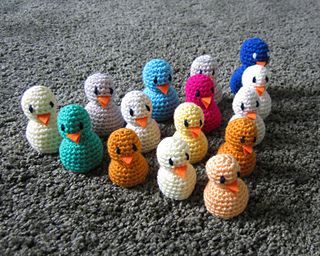
Understanding the most common beginner amigurumi mistakes and how to avoid them can save time, reduce frustration, and help you enjoy the creative process much more.
Whether you are making your first tiny animal, a crochet doll, or a simple stuffed decoration, learning what usually goes wrong is one of the fastest ways to improve your skills.
Why amigurumi mistakes happen so often for beginners
Many new crocheters assume that because amigurumi projects are small, they should be easy.
The reality is different.
Small projects require precision. A single extra stitch can change the shape. Slightly loose tension can create visible gaps. Incorrect stuffing can make a cute character look uneven.
Most beginner problems come from a few areas:
- choosing the wrong materials;
- misunderstanding crochet patterns;
- skipping stitch counts;
- using inconsistent tension;
- rushing the finishing process.
The good news is that almost every common mistake has a simple solution.
Mistake 1: Choosing a pattern that is too difficult
One of the biggest mistakes beginners make is selecting a pattern because it looks cute instead of checking the difficulty level.
A detailed dragon, realistic animal, or doll with many accessories may look inspiring, but it can involve:
- complex shaping;
- many separate pieces;
- advanced color changes;
- difficult assembly.
For your first projects, simpler designs are much better.
Beginner-friendly amigurumi usually includes:
- fewer body parts;
- simple round shapes;
- limited color changes;
- clear instructions.
Starting with manageable projects builds confidence and helps you develop skills naturally.
For beginners who want simpler designs, projects like these easy amigurumi patterns for absolute beginners are a great way to practice essential techniques before moving to more advanced creations:
Mistake 2: Not learning how to read amigurumi patterns
Many beginners know basic crochet stitches but feel lost when reading patterns.
Amigurumi patterns often use abbreviations such as:
| Abbreviation | Meaning |
|---|---|
| sc | Single crochet |
| inc | Increase |
| dec | Decrease |
| MR | Magic ring |
| st | Stitch |
| rnd | Round |
A pattern is basically a set of instructions telling you how the shape grows and decreases.
Before starting, take a few minutes to understand:
- what each abbreviation means;
- how many stitches should be at the end of each round;
- when increases and decreases happen.
This small preparation prevents many mistakes later.
Mistake 3: Losing track of stitch counts
This is probably the most common beginner amigurumi problem.
Unlike scarves or blankets, where a small mistake may not be noticeable, amigurumi depends heavily on accurate counting.
One extra stitch in an increase round can create:
- a crooked body;
- uneven shaping;
- a lopsided head;
- difficulty attaching pieces.
How to avoid this mistake
Create a simple counting routine:
- Place a stitch marker at the beginning of every round.
- Count your stitches after each round.
- Compare your count with the pattern.
- Fix errors immediately.
Do not continue hoping the mistake will correct itself.
Usually, it will not.
Mistake 4: Using the wrong yarn
The yarn you choose can completely change your experience.
Many beginners choose yarn based only on color, but texture matters much more.
Difficult yarn choices for beginners
Avoid:
- fuzzy yarn;
- very dark colors;
- yarn with unusual textures;
- slippery fibers.
These make it harder to see individual stitches.
Better beginner choices
Choose:
- smooth cotton yarn;
- cotton blends;
- light or medium colors;
- yarn with clear stitch definition.
When you can easily see your stitches, you make fewer mistakes.
Mistake 5: Using a crochet hook that is too large
A common beginner assumption is that a larger hook makes crochet easier.
For amigurumi, the opposite is usually true.
A large hook creates loose stitches.
Loose stitches can cause:
- stuffing showing through;
- uneven shapes;
- weak fabric structure.
A slightly smaller hook helps create firm stitches that hold the stuffing properly.
The correct hook size depends on your yarn, but many beginners find success using a hook smaller than the yarn label recommendation.
Mistake 6: Crocheting with inconsistent tension
Tension is one of the skills that develops with practice.
Beginners often have stitches that are:
- extremely tight in one area;
- loose in another;
- uneven between rounds.
This affects the final shape.
How to improve tension
Practice making small samples before starting a project.
Focus on:
- holding the yarn comfortably;
- keeping the hook movement consistent;
- avoiding pulling stitches too tightly.
Remember that consistency matters more than speed.
Mistake 7: Overstuffing the amigurumi
Many beginners think more stuffing means a better result.
Too much stuffing can actually damage the shape.
Overstuffing may cause:
- stretched stitches;
- visible gaps;
- distorted features;
- a stiff finished toy.
The best approach is gradual stuffing.
Add small amounts and shape the piece with your fingers.
The goal is a firm but flexible character.
Mistake 8: Understuffing the project
The opposite problem also happens.
An understuffed amigurumi can look:
- flat;
- wrinkled;
- unable to hold its shape.
A good amigurumi should feel full but not hard.
When you gently squeeze it, it should return to its original shape.
Mistake 9: Sewing pieces in the wrong position
Attaching ears, arms, legs, or other details is often where beginners become frustrated.
The problem is usually not sewing skill.
It is placement.
Before permanently attaching pieces:
- use pins or removable markers;
- check symmetry;
- look from different angles;
- adjust before sewing.
Taking five extra minutes can dramatically improve the final appearance.
Mistake 10: Rushing the finishing details
Many beginners spend hours crocheting the body and then rush the final steps.
However, finishing details create personality.
Small improvements make a huge difference:
- carefully embroidered eyes;
- neat closing stitches;
- properly positioned features;
- clean yarn ends.
The finishing stage deserves patience.
Mistake 11: Comparing your first project with experienced crocheters
Social media can create unrealistic expectations.
You often see:
- perfect lighting;
- professional photography;
- years of experience behind one project.
You rarely see the first attempts, mistakes, and practice pieces.
Every skilled amigurumi maker started somewhere.
Your first project is not supposed to look like a designer pattern photo.
It is supposed to teach you.
A simple checklist before starting your next amigurumi
Use this checklist:
✅ Choose a beginner-friendly pattern
✅ Prepare the correct yarn and hook
✅ Learn the abbreviations
✅ Use a stitch marker
✅ Count every round
✅ Maintain consistent tension
✅ Stuff gradually
✅ Take time with assembly
Following these steps eliminates many common beginner problems.
Building confidence through small improvements
The fastest way to improve at amigurumi is not making one perfect project.
It is making several projects and learning from each one.
Your first amigurumi teaches you:
- how rounds work;
- how shapes are created;
- how stuffing changes the structure.
Your second project improves your confidence.
Your third project usually feels much easier.
Skill develops through repetition.
Learning reliable crochet terminology
When learning from different designers, understanding standardized crochet terminology makes patterns much easier to follow.
The Craft Yarn Council provides references for crochet abbreviations, terminology, and skill information that can help beginners understand written patterns more confidently:
Having a clear understanding of common terms reduces confusion when exploring patterns from different sources.
Final Thoughts
Learning beginner amigurumi mistakes and how to avoid them can completely change your crochet experience.
Most frustrations are not caused by a lack of ability. They usually come from small technical issues that can be corrected with better preparation.
Choose simple patterns, count your stitches, use suitable materials, and give yourself time to improve.
Every mistake is part of the learning process.
The imperfect first amigurumi you create is not a failure. It is the foundation for every better project you will make in the future.
Frequently Asked Questions
What is the biggest mistake beginners make with amigurumi?
The most common mistake is not counting stitches carefully, which causes the shape to become uneven.
Why does my amigurumi have holes?
Usually because the hook is too large, tension is too loose, or the piece has been overstuffed.
Should beginners start with animals or dolls?
Simple animals with rounded shapes are usually easier because they require less complex shaping.
How can I make my amigurumi look more professional?
Focus on even tension, accurate stitch counts, neat finishing, and careful placement of details.
How many amigurumi projects should I make before trying advanced patterns?
There is no exact number, but completing several simple projects helps develop the skills needed for more complex designs.